
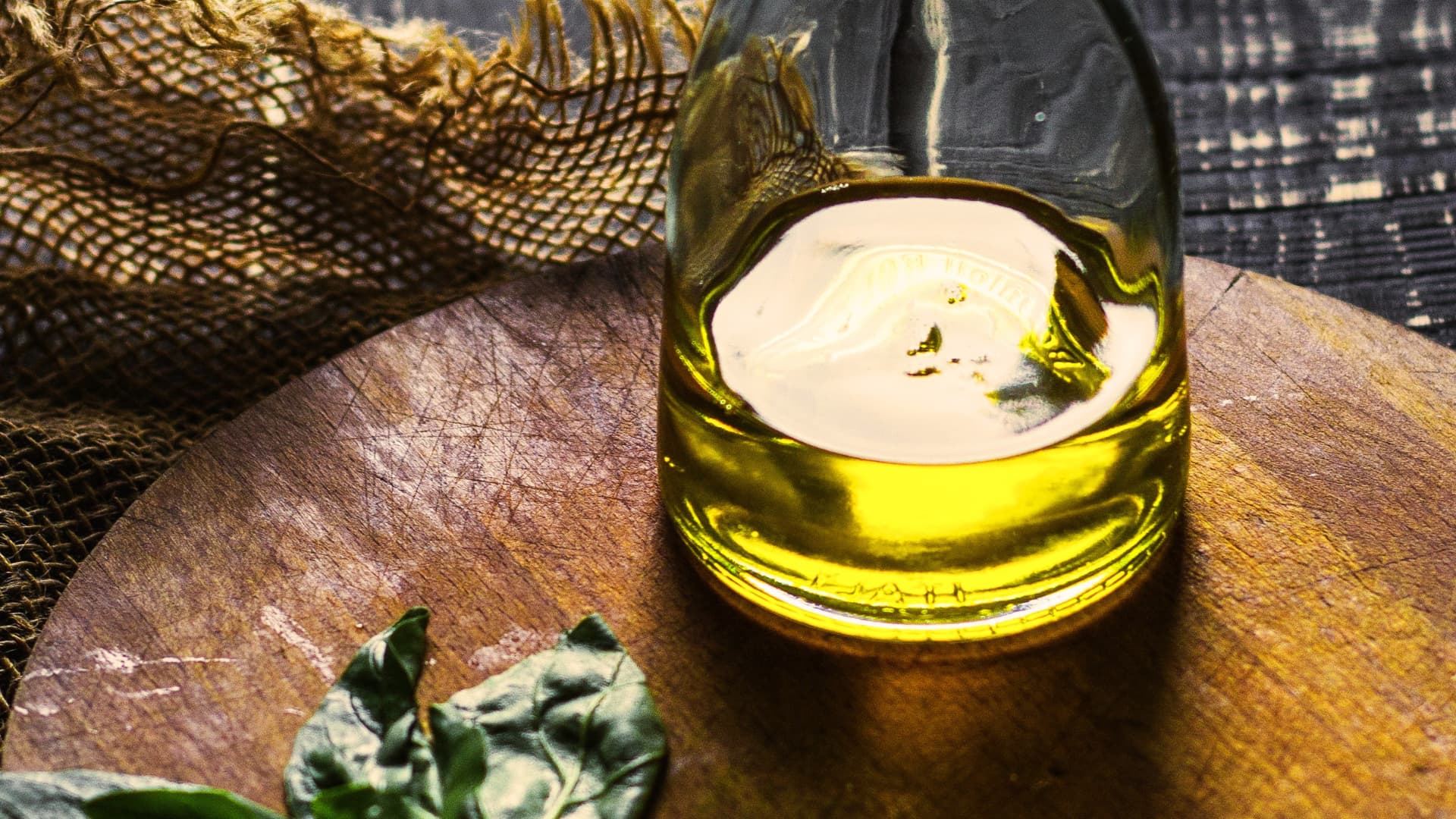
In Luhya cuisine, animal fat tallow (isiachi in Isukha dialect of Luhya) was used to cook delicacies such as traditional vegetables — lisebebe cooked with inderema, lisebebe cooked with miroo, lisutsa, lisutsa with libokoyi or tsimboka; and wild mushrooms (bwoba).
Unlike other recipes that you may come across, the traditional animal fat tallow (isiachi) of the Luhya kitchen has an added critical step that gives the final product much more depth and tones of flavor. By allowing the animal fat to khukunama/gunama for a few days, the dry aging process lets the fat to go through a flavor transformation. This transformation is helped along by various molds and yeasts that land on it yielding an intense “cheesy” flavor. If you are familiar with the science of dry aging beef, try khukunama the fat for longer as the longer you age it, the stronger the flavor gets.
How to make animal fat tallow (isiachi) for cooking
This is how the Luhya people of Western Kenya traditionally made animal fat tallow (isiachi) for cooking.
- Sufuria or karai
- Clay bowl (shitabo)
- Sharp knife
- ½ Kilogram Animal fat (Or any amount of fatty animal meat from which you shave off the fat )
-
Using a sharp knife trim the fat from a cow or sheep meat
-
Chop the fat into chunks and then spread it out for 2 – 3 days to age it. This process of ageing is known as khukunama in Ishukha dialect of Luhya and kugunama in Maragoli dialect of Luhya.
-
Cut the aged animal fat into smaller pieces. This helps make it take less time to render.
-
Using a heavy bottom sufuria or karai, the fat is simmered over the heat to melt to oil. As the oil is rendered from the fat, stir to distribute heat and avoid sticking and burning.
-
Periodically, pour the rendered oil, lard, into a clay bowl (shitabo)
-
The remnants are cooked with the vegetables such as likhubi (kunde) or given to children to eat as a snack. Ensure that none of the fat remnants remain in the tallow by decanting carefully. The rendered tallow is covered and stored in cool dry place.
Traditionally among the Luhya, the fatty tail of sheep was considered a treat for children. To make it tastier and not to cause diarrhea from eating too much, the fat was rendered down slowly over heat until what remined was just small bits.