Omundu Strong! Or Is It? Decoding Masculinity Among The Luhya: Unearthing Under Appreciated Male Traits From Gendering of Kumfutumwe and Sinani Indigenous Trees

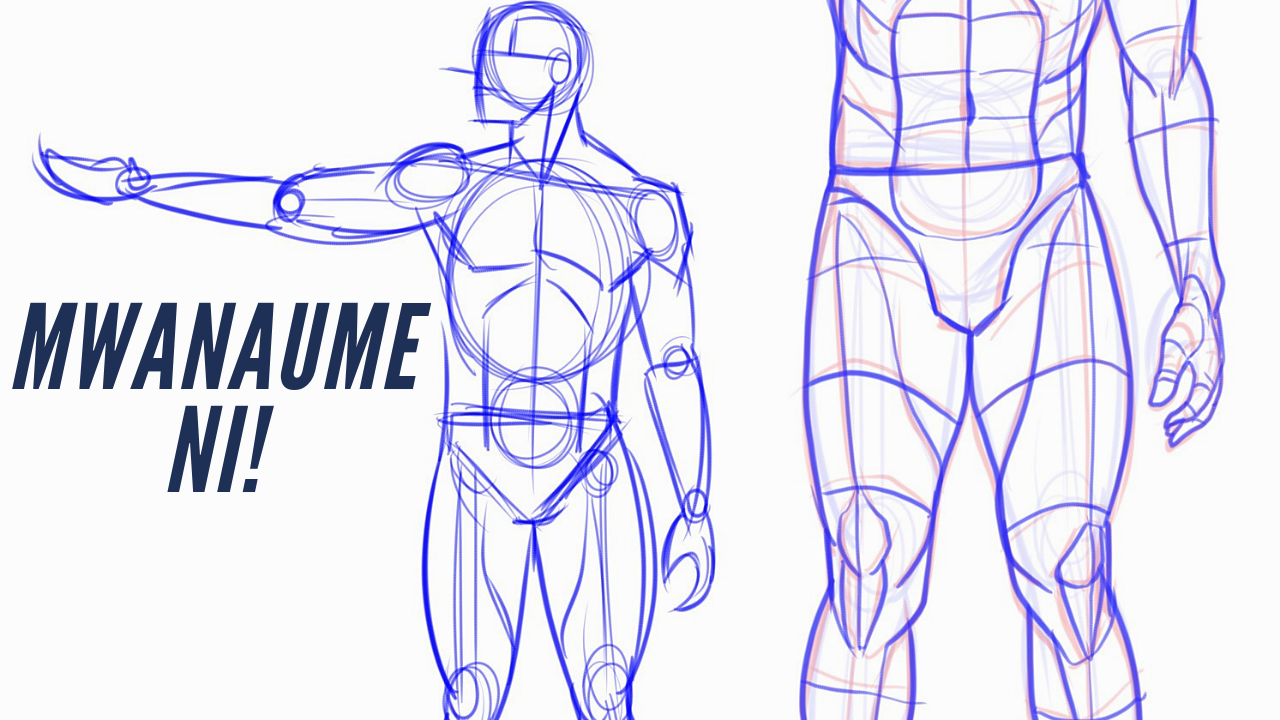
poster titled 'mwanaume ni' depicting musculature of man typifying omundu strong

What can we Learn about gender among the Luhya from the Kumufutu and Lunani indigenous trees? What do we learn about the revered archetypal man from Mulembe, the so called … Read more

Mrs. Lunani and Mr. Sinani Gropes, Thorny Affair And What It Says Of Their Cultural Significance To The Luhya

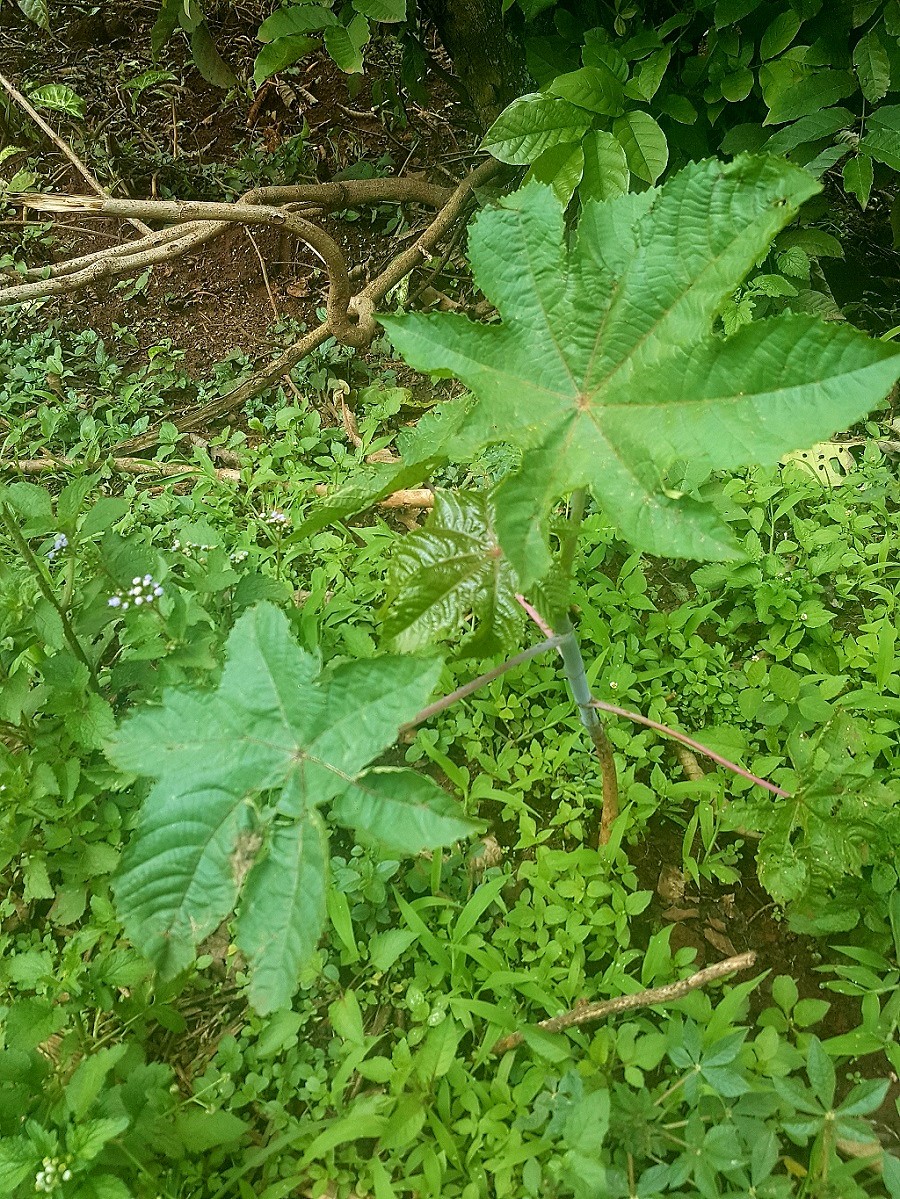
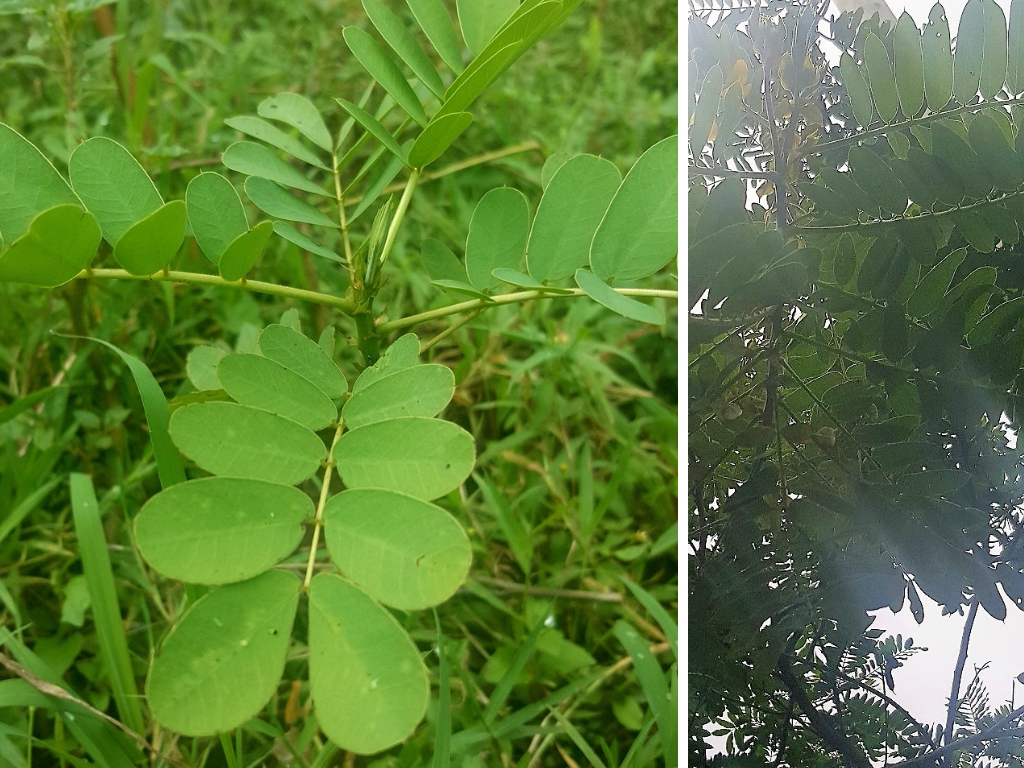
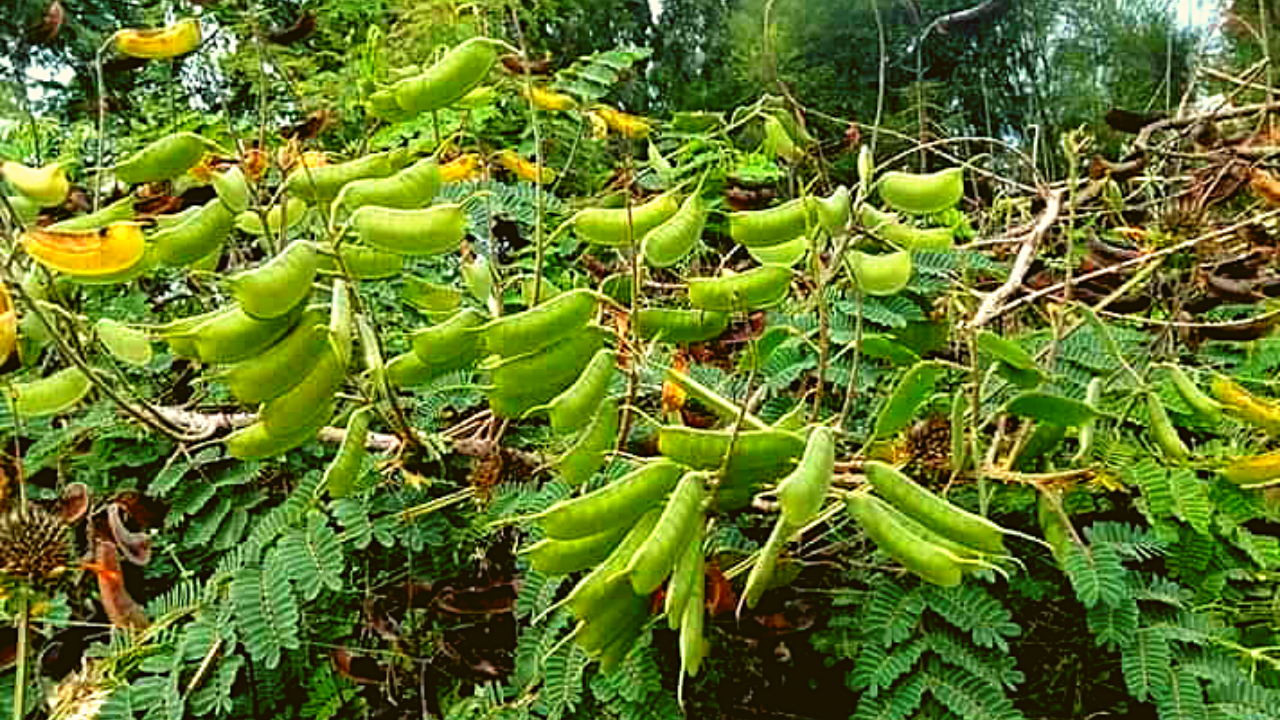
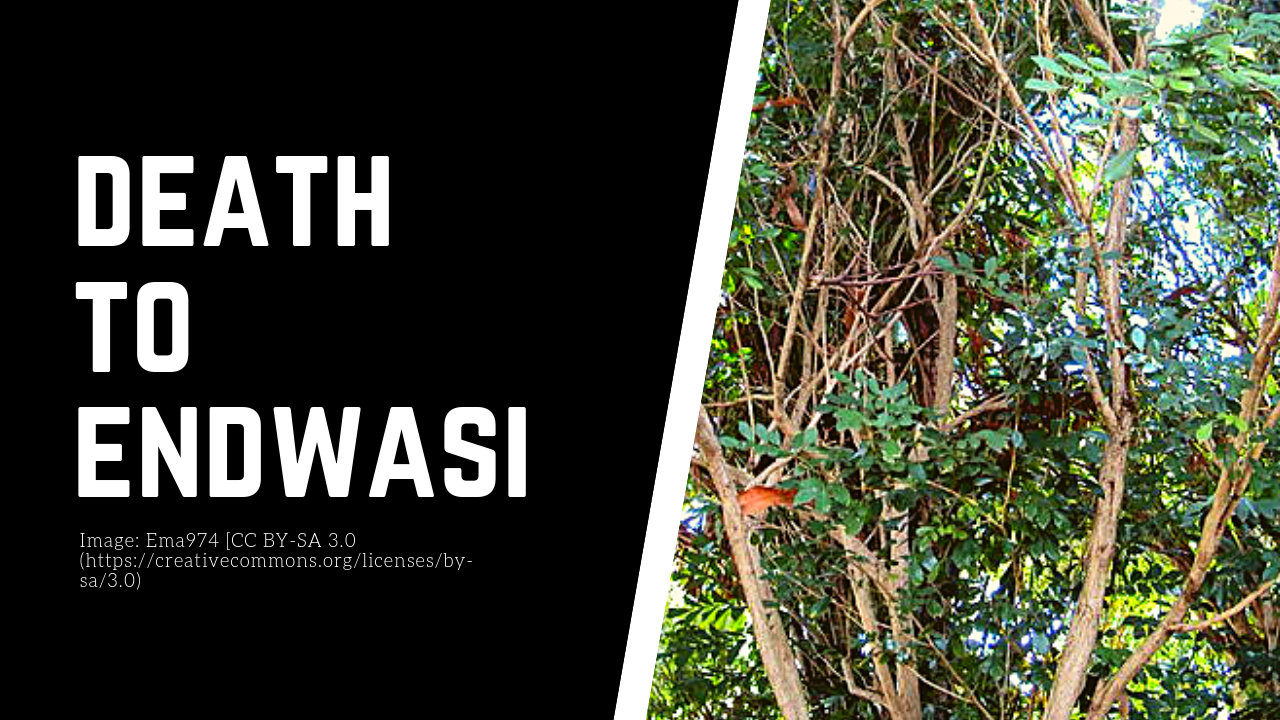
Among the Luhya, lunani and sinani are the male and female species of the same tree. Lunani and Sinani trees have somewhat similar characteristics and it is not easy to tell them apart. These trees of cultural value to the Luhya are both shrubs whose vines greatly intertwine with surrounding plants, such that they appear as climbers or scramblers.

Both indigenous trees can thrive on their own, but do better in the presence of big trees where they can intertwine themselves. The trees have brown stems with small thorns. Out of stems grow small branches that support compound leaves with many tiny leaflets. One branch, for example, can host 20 pairs of leaves.
Read more

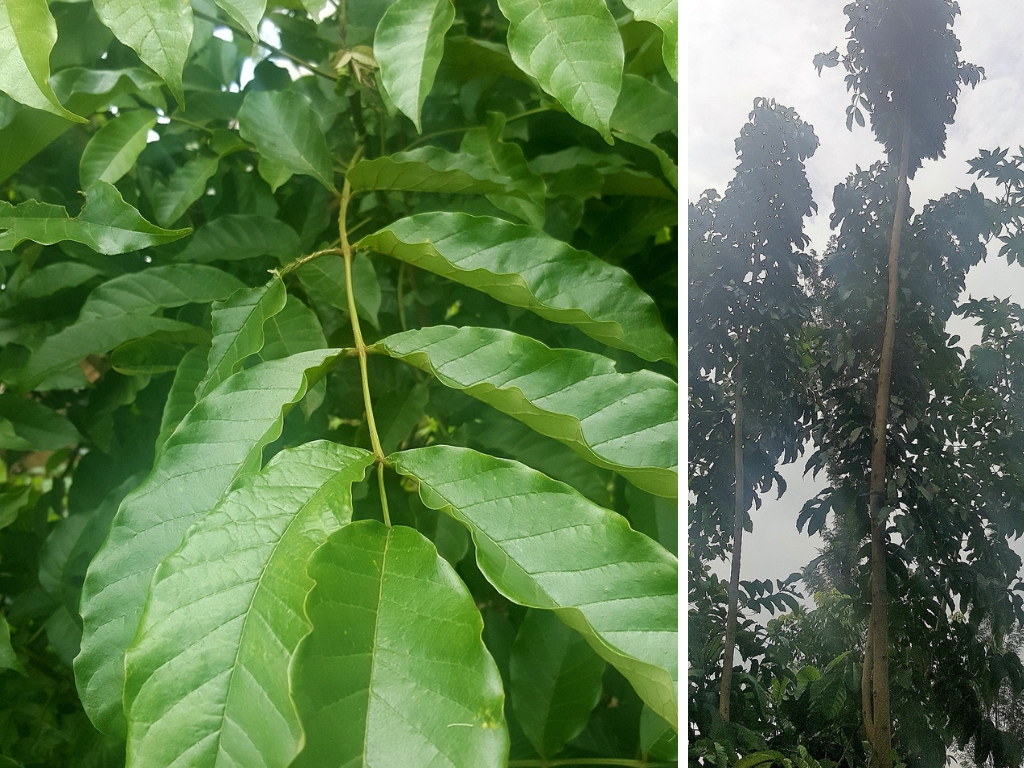
Did You Know That Some Trees Are Gendered? Well, Meet the Kumufutu/ Muholu/Omufutu – A Medicinal Tree Which Your Grand Uncle Probably Used To Cure His Gonorrhea

poster

Let me tell you something about my people the Luhya. They sometimes classified trees as male and female. Just like in assigning gender in animals, the gender roles were based … Read more

Marriage and kumusola / uluwovu / olusiola tree in Luhya culture: When a tree could signify divorce

image of the kumusola/ uluwovu/ olusiola tree commonly known as the nile tulip tree and it's cultural value in luhya

In the delight of a blog, Dimples, the author in narrating the lives and times of Bukusu forefathers, writes: “Enywee Bamasaaba, nabawa chimbabasi. Kene mumenye mumakunda kano mindali ne mindali. … Read more