Kutulitsa mukana: Maragoli high honor by a mother to her daughter on arrival of a new baby

Kutulitsa Mukana ceremony among Maragoli women with grandmother presenting gifts to daughter and newborn in rural Kenya

Kutulitsa Mukana is a Maragoli (Logooli) postnatal rite in which a mother formally “releases” her married daughter after childbirth, restoring her social and economic exchange with her natal home. It is both a blessing ceremony and a structured negotiation of kinship obligations, gifts, and recognition between families. What is Kutulitsa Mukana in Maragoli Culture? Among … Read more

The one thing a true Luhya home kitchen never lacked

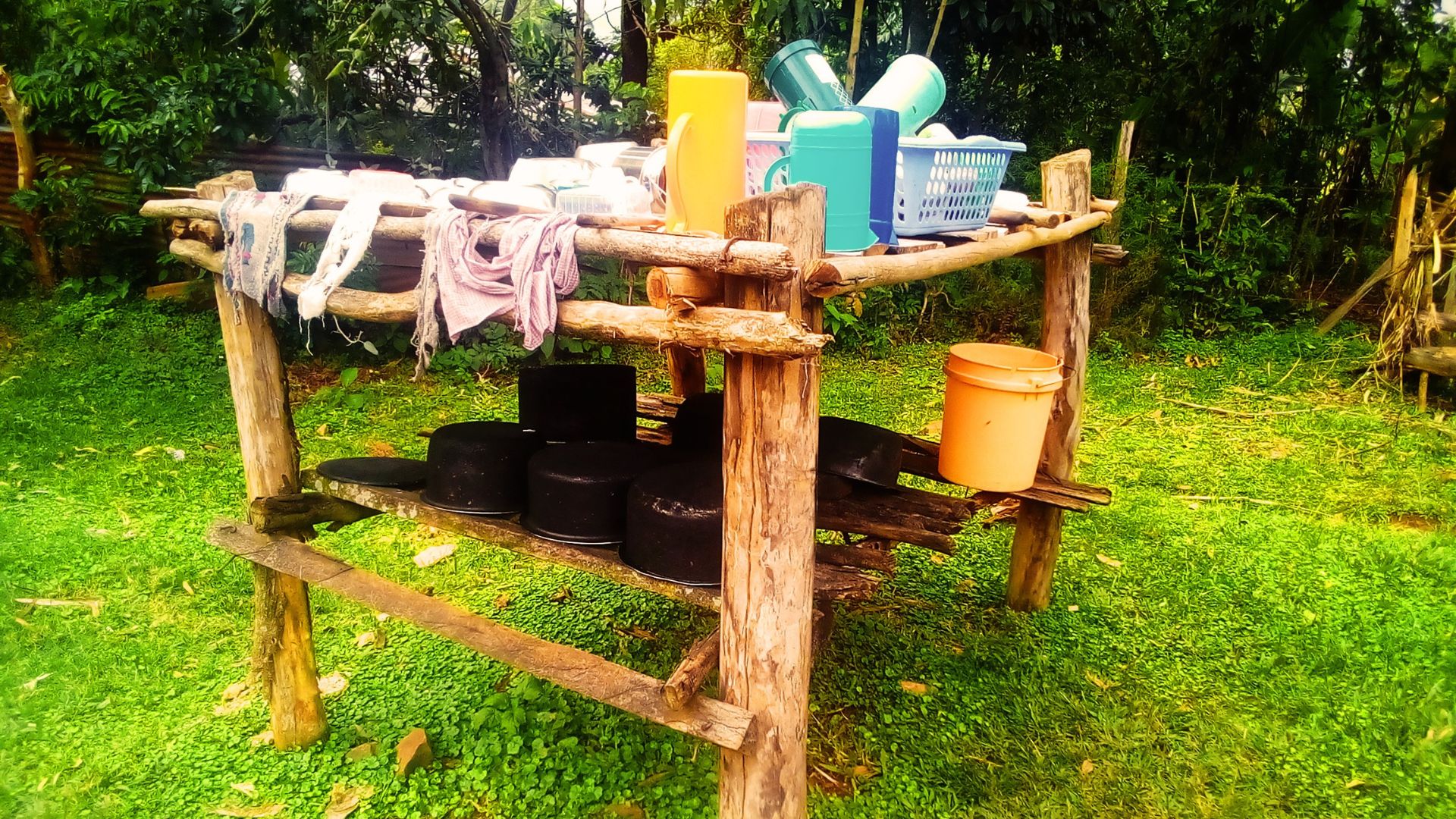
picture of outdoor wooden rack with utensils kitaraze or ikitaraze in maragoli language also known as shitalasi in isukha, shitalalataliro in wanga, sirandaro in bukusu

There is a fixture of traditional Luhya home that’s made of wooden logs and sticks and serves as an outdoor stationed rack for air drying utensils. It is known in the various Luhya dialects as: kitaraze (lulogooli), shitalasi (lukisa, lwisukha, lwidakho), sirandaro (lubukusu), shitalataliro (luwanga), esichandaliroo (lunyala), esitaratsi (lunyore), eshitslasi (lutsotso). Join us and find … Read more

Marondo and last borns: The curious link between ugali, womb and pot among the Luhya

marondo and lastborns

What, if any, could be the link between marondo and last borns? For non Lulogooli speakers, we speak of the crunchy stuff left stuck inside the sufuria after cooking ugali; not the soup made from boiling the legs, head and tongue of cows. In Tanzania, marondo the soup is known as supu ya kongoro. This … Read more

Lost in translation: What it means among the Luhya when you dream of someone – meet an interesting Luhya tradition

poster: what it means among the luhya when you dream of someone

The Luhya of Western Kenya had a body of knowledge which they relied on to make sense of dreams. Join us as we rediscover an old art lost in translation and retell forgotten traditions, as we reveal what it means among the Luhya when you dream of someone. Some neuroscience experts estimate that we dream … Read more

Busaa drinking etiquette: 5 timeless rules to being the perfect guest from the ‘Book of Gentlemen’ written in the time of our grandfathers

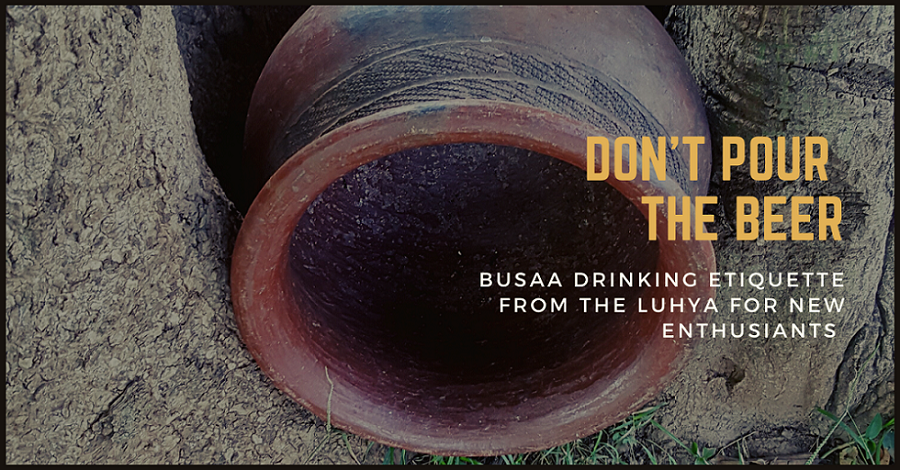
post titled don't pour the beer- busaa drinking etiquette from the Luhya

The dos and dont’s when you get invited to a busaa drinking party in which the Luhya traditional straw (lusekhe)is used to sip beer. Busaa is a Luhya traditional beer. It is made from spontaneously fermented roasted grain known as kamakhalange or tsimbare, and the Luhya traditional yeast known as limela (lubukusu) or mumeri/ mamela … Read more

Tooth extraction at home, tooth removal the Luhya way: Myths and practices of how growing up back in the village, our teeth were removed – no anesthesia only chicken crap.

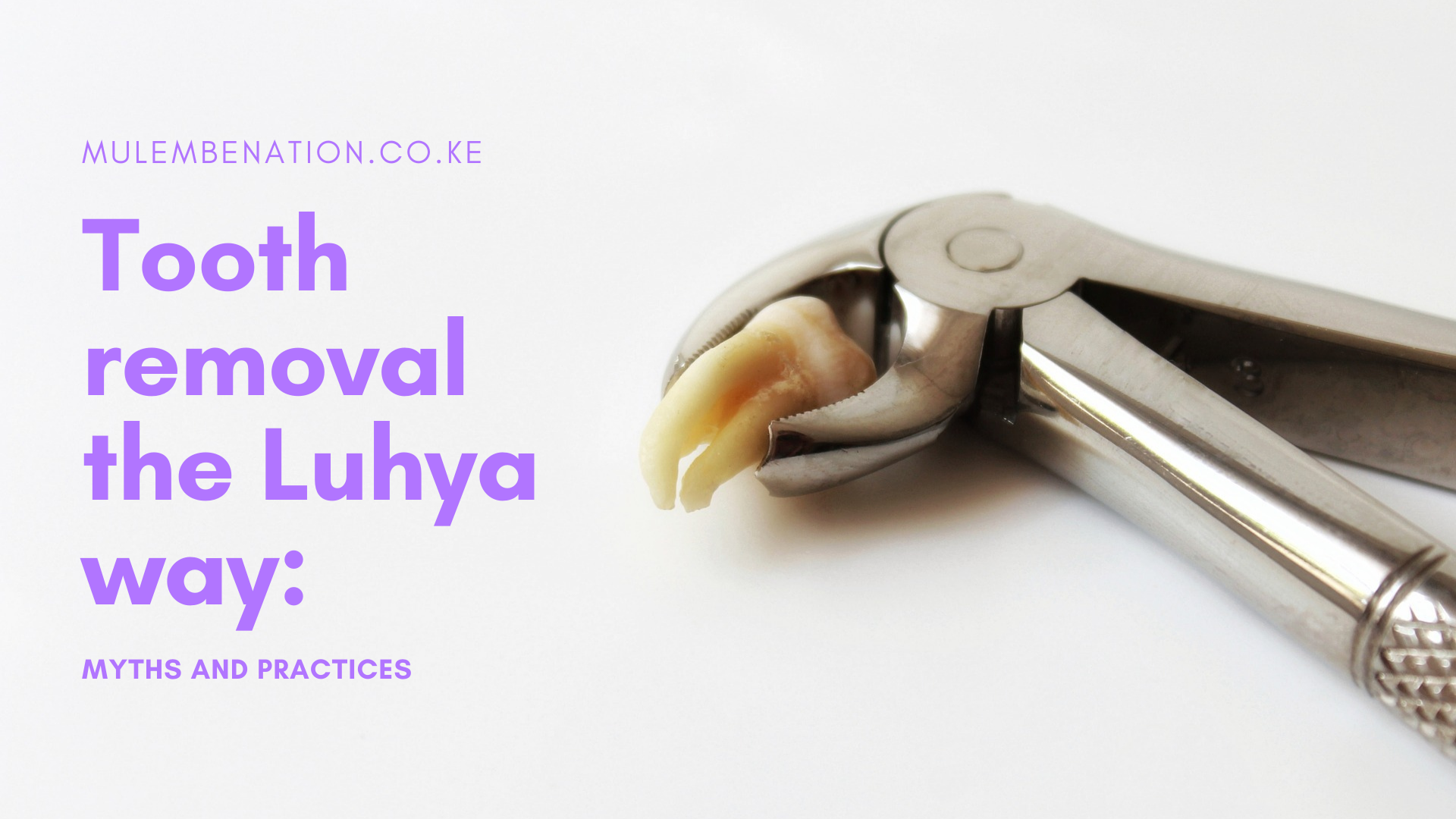
poster titled tooth removal the luhya way with image of molar tooth gripped by dentistry tool

Growing up, we never knew that dentists were there to remove teeth. All our milk teeth were extracted at home by the erstwhile, experienced family dentist: dad. But the experience of tooth removal didn’t end at his hands. The whole community, was involved one way or the other. Tooth removal the Luhya way: Myths and … Read more

Boys club aren’t anything new, the Luhya had the sacredness of age-sets whose fraternity rules you couldn’t break. Reiterating 5 non-negotiable laws of the Luhya traditional boys club

So this past week or so, Kenyan interwebs have been awash with accusations and counter accusations over the intimate goings-on of a certain boys club. From the fallout, it’s clear the Bro Code was broken. Everything painfully built between these men thrown into full disarray. As a result, lives and livelihoods have been destroyed. It … Read more

Luhya marriage traditions: 10 unwritten rules of etiquette to observe when visiting your in laws in the land of Mulembe

Today I will walk you through an important yet least talked about part of Luhya marriage traditions: the decorum expected of you when visiting your in laws in the land of Mulembe. Of all the relations of mulembe, the highest form of respect is accorded to in laws. It is not uncommon to hear of … Read more

The meaning of khocha in Luhya: 7 life events in Luhya culture that are hallowed by the presence of the irreplaceable khocha/ koza/ kotsa/ kocha/ chomba

poster appreciating our maternal uncles with images of archetypal khocha, kotsa and chomba

Khocha is a male sibling to your mother. Broadly speaking, in the way African relations are expansive, chomba in Bukusu slang; or kocha, koza or kotsa in lulogooli is any of your mother’s relations that she calls brother. This includes her cousins of whichever degree. Among the Luhya, alongside senje, kotsa is the most cordial … Read more