
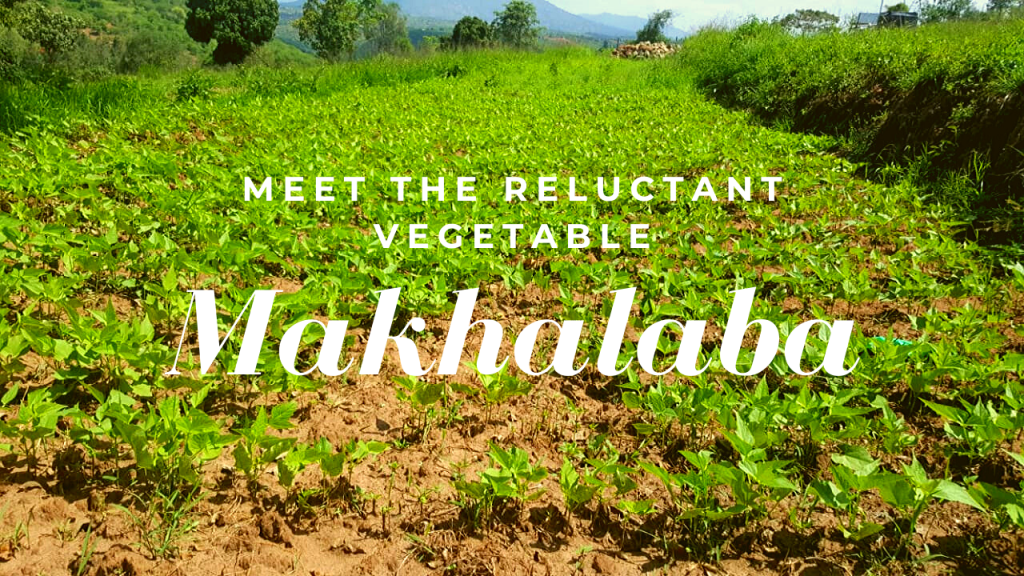
Makhalaba (Isukha) or magaraba (Lulogooli) is a Luhya traditional vegetable that is the leaves of the bean plant. The Bukusu call it likanda. It is a vegetable shrouded in taboos and sayings, making it a reluctant choice for a meal.
Makhalaba is one of those meals that you prepare and cook only when it’s a family affair. Growing up, I don’t ever remember my mother preparing magaraba when we had, were expecting, or had the slimmest expectation of a visitor. And by visitor, I mean everyone not part of our nuclear unit. Not even her mother or dad’s mother. Not even senje, especially not senje; as that would have been the cultural equivalent of mum tying a noose round the neck of her marriage.
Magaraba was something that we enjoyed almost in hiding. Moreover, it was a vegetable that when cooked, was enjoyed only if taken down with words of wisdom and teachings from our parents. In today’s post, sans a steamy plate of makhalaba, please do enjoy a feast of the wisdom.
Makhalaba and the folly of eating eggs and hoping for chicken
I think, this is the primary reason why makhalaba is such a despised vegetable. Primary school biology informs us that leaves are the food factory of plants. Thus, if one desires a healthy bean harvest, it’s quite foolhardy to strip the bean plant of its leaves because where else will the bean get energy to gift us fruits in the form of pods full of healthy beans?
Moreover, also consider that the best tasting makhalaba is harvested when the leaves are still young. Mark you, this period happens also to be the time when beans are flowering, or just about to flower. As a result, enjoying makhalaba is indeed a triple tragedy.
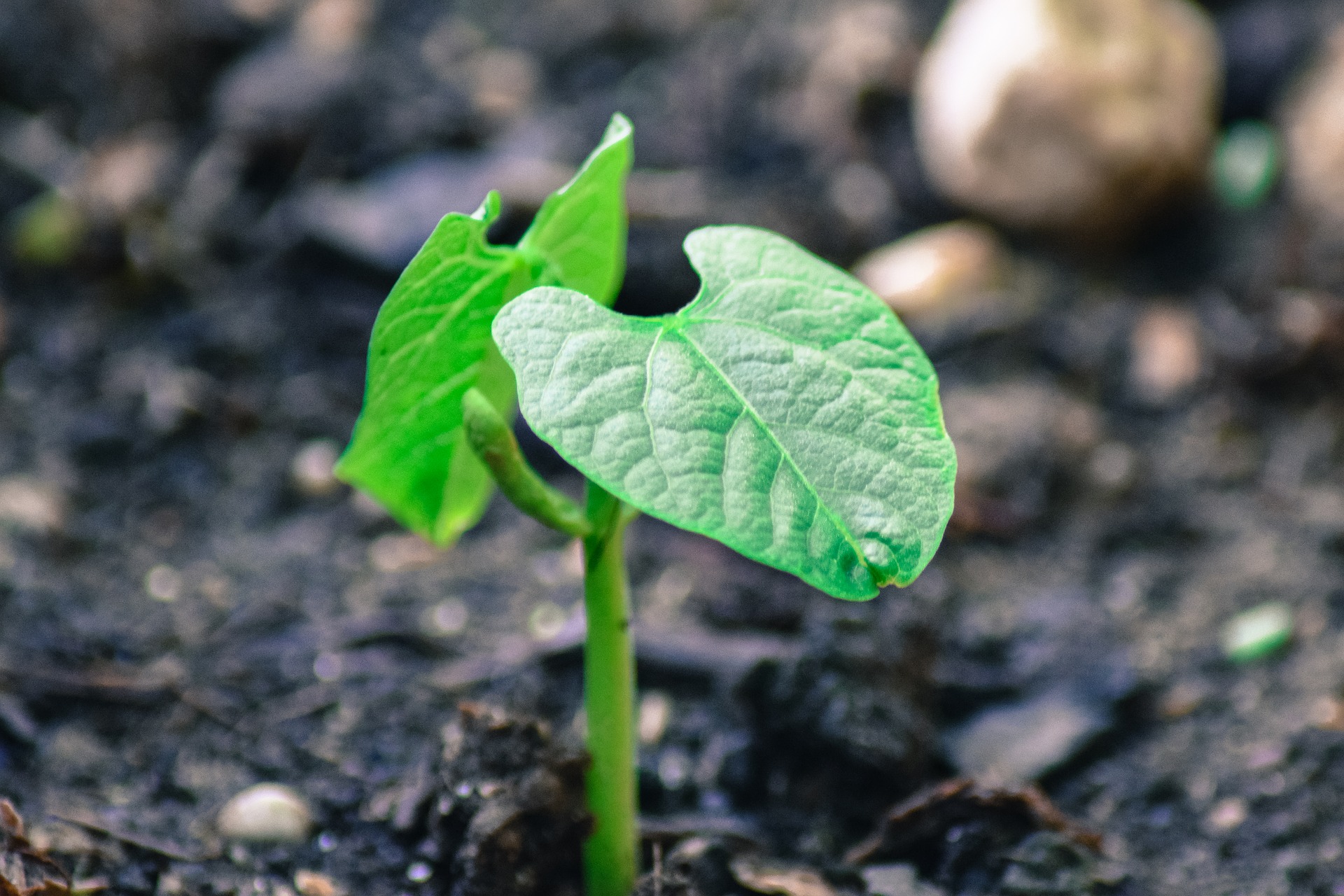
First by picking leaves for vegetable, you deny the bean plant food so no fruits; secondly, the bean plant is at risk of ‘aborting’ its flowers as the flowers of the bean are quite fragile and get knocked off quite easily when one disturbs the crop as they forage for makhalaba; finally, all the above misadventures lead to a poor harvest which risks household hunger during the dry months because a family that loves makhalaba so much will likely be short of beans, a key dry pulse.
A sure sign of poverty
Poverty of thought, as well as material poverty. We will deal with the second shortly. But about the first — HOW IS IT THAT YOU HAVE A BEAN CROP THAT YOU ARE WILLINGLY DESTROYING BY FORAGING THROUGH ITS LEAVES, AND YET, YOU DON’T HAVE OTHER VEGETABLES?
I mean makhalaba was thought of as an emergency vegetable. Meaning, it was eaten when there was no other alternative. That said, cowpeas, likhubi, takes just about the same period, if not shorter, as beans to sprout; so why didn’t you plant some? Poverty of thought. Alternatively, the same rains that have made the bean crop flourish would do wonders to members of the amaranth family (zimboka/emboka); does your foraging through magaraba speak of your laziness to walk through the crop fields and pick amaranth which is basically a weed? I leave that there. Onto the material poverty of magaraba eating.
Why its a taboo kukaanga makhalaba
If you cook makhalaba by kukaanga, it is said that it ‘finishes’ beans in the crop field. I’d like to think this taboo that warns against cooking makhalaba by frying in onions and tomatoes has everything to do with the folly of eating eggs and expecting chicken. In truth, I have never had magaraba that’s been cooked any other way except the traditional way that I suspect is designed to make the vegetables as bland as possible.
It could be that, unlike linyoronyoro aka lifwafwa, the taste of makhalaba does improve with the common way that we cook vegetables this side of the earth – with munyu musherekha and by frying them with onions and tomatoes.
If this is the case (indeed someone just whispered to me that makhalaba and kanzira combo is indeed heavenly) it explains why this taboo. For our parents would warn us that kukaanga makhalaba would finish beans. How? we would ask; then they would simply answer that the crop in the field would mysteriously dry up. Looking back, I think I now know the real reason why.
But……
A story. In my younger years, a certain day found me working in my community among the people of the land of Mulembe. This work offered me this rare opportunity to enter homes accompanied by village elders and designated community gatekeepers.
So we walked into this household that we found ready to devour a lunchtime meal of busuma ne likanda. Suffice to say, I had not seen a proper meal in days. I had been working long hours to beat deadlines.
The woman of the house was excited and at the same time kind of ashamed of herself. After welcoming us, she dashed to the kitchen hut and came back with plates of likanda. She washed our hands and welcomed us to break bread with her.
We dug in like starving children. The meal was sweet and sumptuous. It was more sumptuous than all meals I have ever eaten. And I have attended my fair share of Luhya feasts such as khuboa chinyinja, circumcision and all. This is because we were hungry. We were exhausted. We had been working long hours for days.
Generosity
The nature of work involved a lot of walking and talking. Above all, our host served the meal with the warmth of the Bukusu people. But more importantly, we delighted in the meal thanks to a timely piece of advice that one of the ligutu accompanying me. He whispered into my ear as the woman of the home scurried about making us comfortable.
My friends from big cities with a lot of lights and vehicles, when one offers you a meal of likanda and busuma, honor the invitation. If you find it tasteless, force yourself. Enjoy it. Because this is the highest form of generosity that one can extend to an unexpected visitor. It means that your host had nothing to offer but in the spirit of mulembe and they offered all they had. However lowly.
Makhalaba and the book analogy
The way I remember magaraba is that, served cooked, it is pass of pale to army green compact mass of whole leaves tightly packed together. To enjoy makahalaba, one had to peel off leaf by leaf in a manner reminiscent to thumbing through a book. Any other way and you end up with a mass of chewy salty green that’s hard to masticate.
You can image how cumbersome it is enjoying magaraba with ugali the Luhya way where you have to mega. (Yet another hindrance limiting the popularity of this vegetable.) But it is this unique nature that allows for another important aspect of its enjoyment: the quips and words of wisdom.
As you paused to deconstruct the makhalaba and then assemble it with obusuma to make a bite, a responsible adult would be imparting wisdom. “Don’t be in the habit of eating eggs and expecting chicken,” they would caution. “If you want the spirit of mulembe to prevail in your home, don’t be a woman in the habit of kukaanga makhalaba, as hunger will surely visit you!”
As such, eating magaraba could be likened to reading a book. Because with every peel, with every thumbing of a page, wisdom comes your way. Kukula vitabu so to say in Swahili.
Meaning and origin of the Maragoli saying: “kuria ku ariza magaraba”
All that said, after all the de-campaigning of this vegetable, the few occasions when makhalaba was had, it was enjoyed. Thoroughly, that is. At least the adults seemed to enjoy it. To date, I struggled to understand why the adults, in spite of the dexterity needed to devour magaraba, seemed to forage through a steaming plate with so much ease.
I tell you my sister this is one vegetable that is eaten fast. Peel, mold ugali, throw in the mouth, speak wisdom. That way and it’s gone. Can’t tell if its because the adults didn’t want to be caught like embichi musipwoni eating eggs while they have a broody hen. Whatever the reason, this fast browsing if the green is the inspiration for a cheeky Maragoli saying.
When someone is devouring something in much haste – such as a spendthrift ploughing through a windfall – such a person is said to be eating (kuria), the money in this case, kuariza magaraba.