
The instructions that follow illuminate all that I can remember about the nifty pep talks, gentle nudges and most of the time Gordon Ramsey-esque hell from kukhu as she taught me how to cook. This is your path to finger licking good sifuluko.
How to make groundnut paste for sifuluko
Time needed: 2 hours
As all foods mulembe, finger licking good sifuluko begins with preparation. Anyone who’s cooked with or been taught how to cook by a Luhya grandmother knows the secret to good Luhya food lies in preparation.
- Begin by roasting raw cleaned groundnuts.
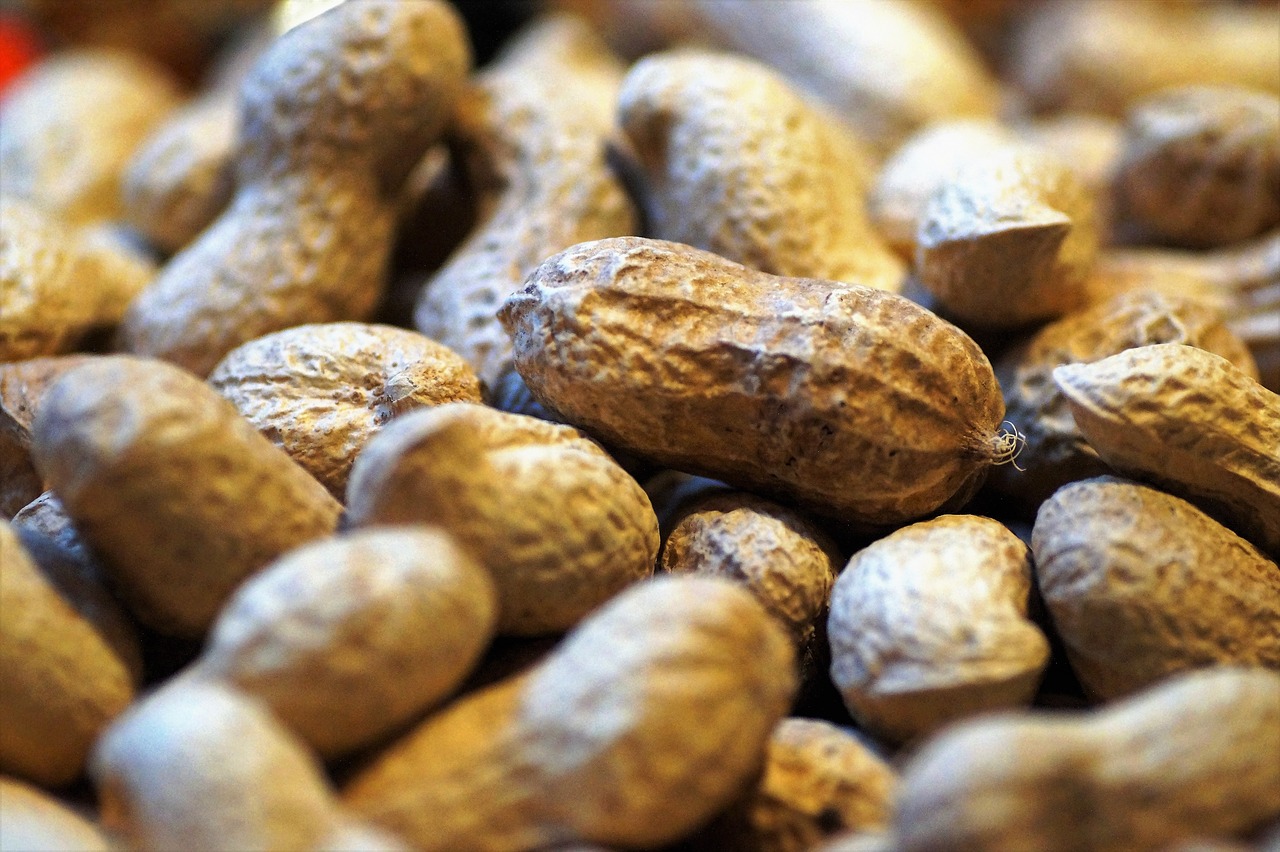
For best results, clean the groundnuts by picking out any foreign matter, rotten nuts and the tiny shriveled ones. The latter get bitter when roasted as they get burnt. Also wash the groundnuts in clean water, then sprinkle some salt on them whilst still wet. Sun dry the groundnuts before roasting them over a jiko. A microwave or oven might as well do, but nothing beats the slow roast of a jiko in taste.
- To peel or not to peel. Dealing with groundnut skin
My grandmother would kill you for serving her sifuluko made from groundnuts whose peels have been taken off. In the original version of this recipe, the peels stay on. She cannot get over her head why our generation processes what needs not to be processed. Groundnut skins are healthy – full of antioxidants and fiber. They are tasty too. If you find them bitter, it’s not the groundnuts; but you – irresponsible cleaning and amateur roasting. But still, to each his own.
- Making groundnut paste.
Pulp the roasted groundnuts in a mortar. The kids are sure to love this part of making sifuluko — feeding off the nuts and their parts escaping the pounding. Because you’ll need to work that sibwili (mortar in Lubukusu).
With blenders and food processors, it takes minutes to achieve the consistency your desire. Done manually, it usually takes me something like one to one and half hours to make enough groundnut sauce to feed six adults. Very labor intensive! It’s quite the workout
But as you well know, the heart of mulembe food is in the preparation. From lisebebe, muduya, enyama esike to bubwoba every meal served on a mulembe table is a product of love; manifest in its meticulous, often time consuming preparation. Our food is not prepared as an after thought, and sifuluko is no exception
In your kitchen, when pounding your nuts, pound them to your liking. But if your ever find yourself in my Masaba grandmother’s kitchen, know that she prefers her sifuluko crunchy. Personally, I prefer mine smooth. If you are like me who likes it smooth, make a food processor your friend.
My Masaba grandma’s original recipe
The way The Masaba people of my grandma did it, was simple as 1,2,3…
How to cook groundnut paste to make sifuluko
Make a mixture of the groundnut paste using water to a thick consistency. Add some lard onto a cooking pot. Once the lard is hot, pour in the groundnut paste and water mixture and stir. Continue to stir as you add water as needed to get to a desired thickness of the sauce. The sifuluko is cooked once the paste turns into a sauce. Season with salt to taste. Pour over boiled green plantains (litore) and enjoy.