
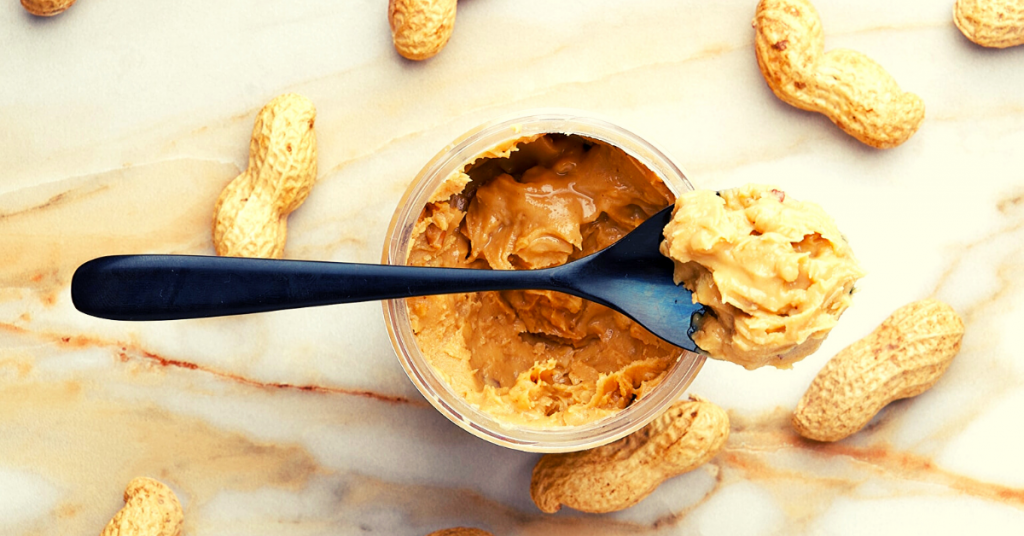
I invite you to step into my grandmother’s kitchen. Join me as I rediscover another of khukhu Nakhatama’s simple recipes. She once whispered to me that good food is all in the preparation. With that nugget of grandmotherly advice in mind, let’s learn how to make authentic homemade peanut butter the Luhya way.
Having grown up in the village, I learnt lots of cooking shadowing my mother and Nakhatama my grandmother. Those days, life was simple, we rarely ate meat. We rarely used cooking oil bought from the store. Mom and kukhu prepared our meals either using natural butter or fat rendered from animal meat.
Some of the delicacies that growing up we took for granted such as: mapwoni (sweet potatoes), bubwoba (wild mushrooms) and even murere (jute, a favorite Luhya traditional vegetable) have become high value foods now. Some other foods that we considered premium foods today litter supermarket shelves thanks to commercialization.
Our focus today on Mulembe Food — homemade authentic peanut butter –was one of those prime meals that rarely came by. We grew and harvested a good amount of groundnuts from our farm; but it’s sifuluko that was easier to be served than peanut butter. Mother used to say that not only was peanut butter an extravagant use of chimaito (groundnuts in Lubukusu), but she also couldn’t trust us with it.
If everyone of the dozen of us, separetly or jointly, schemed in our little heads to steal just one teaspoon of the tasty peanut for a lick, you can imagine just how short it would take to down a jar. So we’d have peanut butter over Easter, sigukuu (Christmas) or when special visitors visited.
To make peanut butter the Luhya way, you’ll need both groundnuts and simsim. This is how we prepared home made peanut butter.
How to make homemade peanut butter the Luhya way in 14 simple steps
Time needed: 2 hours and 30 minutes
This is how to make homemade authentic peanut butter the Luhya way. No fancy kitchenware needed. No preservatives or additives, just good old peanut and simsim goodness in a perfect blend.
- Remove groundnuts from their kernels.
The first opportunity to ensure a good final product starts here. Dispose kernels with mold or otherwise rotten. Nuts harvested from such kernels could introduce aflatoxins to your peanut butter.
- Remove all foreign materials, shrunken nuts, premature nuts and rotten nuts.
We will use 1 kilogram of groundnut. Also use this opportunity to sort them out to be of roughly the same size so that they cook evenly when roasting them.
- Wash the groundnuts and salt them.
Salt the groundnuts when wet to allow for the salt to mix in well.
- Air the washed and salted nuts on direct sunlight for 1 hour
Spread them out so that they can dry evenly. This helps the roasting (see next step) easier.
- Roast the groundnuts till fully cooked
Use a sufuria and fire from a charcoal burner for best results. Toss the groundnuts periodically so that they roast evenly. Well roasted groundnuts make a crackling sound when being roasted. They also peel easily even when still hot and soft. Remember to toss frequently.
- Pound the groundnuts in a mortar till they form a fine paste.
Start with a small amount keeping adding to match the capcity of your mortar. You can also do this in batches. For extra goodness, pound a portion roughly. When this bit is added to the final batch, your peanut butter will have extra texture from their crunch.
- Keep the groundnut paste in a container and cover
Cover to avoid moisture loss.
- Remove simsim from their husks.
Read our mega post for details on how to best harvest simsim using the slow dry method.
- Remove all foreign materials form the simsim. We will use 250mgs of sim sim to make the peanut butter
This includes pebbles and even metallic matter depending on the conditions of the harvest. For the latter, a magnet could be of great help.
- Wash the simsim and salt it
Was thoroughly such that any soil dissolves in the wash water and is disposed off
- Over low heat, roast the simsim till fully cooked
The heat should be lower than the one you used for the groundnuts but the implements remain the same – sufuria and jiko. You will also need a cooking spoon to turn the simsim and help distribute the heat.
- Pound the simsim separately in a mortar to form a fine paste.
As you pound, the simsim clumps together and slowly becomes a paste. This step requires patience and a could make your brow sweat.
- Add the sim sim paste to the groundnut paste and mix thoroughly.
The simsim paste will produce oil that will cover the groundnut paste and preserve it in an easy to spread semisolid state.
- Keep the mixed groundnut paste in an airtight container for your use
Enjoy as you wish. Spread it over bread or even add a tablespoon to your plate of githeri.