
This is how to make kamakhalange the Luhya way. The right way. Kamakhalange is the perfect traditional food choice to provide high energy when you need one.
How to make kamakhalange in just over four days and in six easy steps
Time needed: 4 days and 2 hours
Kamakhalange is a high energy snack cum cereal that is more commonly known for its use as the precursor to our traditional alcoholic drinks busaa and kwete/muna.
- Making sifu.
One begins by mixing maize or millet or sorghum flour or any of the three in whichever combination with cold or warm water to form a paste. The consistency of the paste is akin to that of very thick porridge. My people, the Bukusu, call this paste sifu.
- Fermentation: khupakha sifu
Leave the flour paste to ferment for three to four days in a container of your choice. Traditionally, this container was placed in a dry warm area, often near the three stone traditional cooking fireplace. Today, if you are blessed with a kitchen with generous windows, situate the container bearing the concoction at a spot that it will get the most sun.
Remember to protect your fermenting mixture from foreign matter, such as rats, by covering with banana leaves or a lid. The art of fermenting the paste is referred to as khupakha sifu.
Kindly note that no yeast is added to aid with the fermentation; But rather, fermentation is by way of naturally occurring wild yeasts and sugars from the maize flour.
Also avoid lemon and salt from coming in contact with sifu. It is believed that salt or lemon makes the fermentation process to abort prematurely. - Frying
On the fourth day, put a big pan on fire. The bigger the better as a wide brimmed pan allows you the freedom to work the paste as it fries. Pour the fermented paste onto a large pan (lukhalangilo), in batches if need be, and keep turning the sifu in the manner one cooks ugali.
It is important keep an eye on the source of heat – medium. Ensure you got just sufficient heat. Too much heat will make your end product full of bitter tasting from burnt kamakhalange.
Using your stirring spoon, break up the mixture as it forms into ugali like constituency. One can use one of those big perforated juakali spoons used by fish mongers to turn sifu. - Forming chimuma by the craft of khukhalanga kamalwa.
Keep cutting and turning the paste till it forms small particles. As it continues to cook, the sifu will begin to break up into particulates of varying sizes. Keep working until the largest particles are the size of the flake of a cereal.
The Bukusu call these small particles chimuma. The art of turning sifu on lukhalangilo is referred to as khukhalanga kamalwa. Literally, frying beer. Khukhalanga kamalwa takes something between 45 minutes to 90 minutes depending on the amount of paste prepared.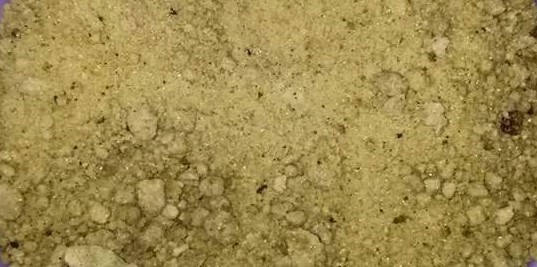
- Kamakhlange itselefu.
The finished product after frying the fermented paste is known as kamakhalange. One should keep turning kamakhalange till they can smell a strong fermented smell. By appearance, kamakhalange on the big pan will have turned golden brown in color if perfectly ready. On sampling by taste, the unmistakable taste of fermented grain hits your palate as it cuts through the familiar taste of well cooked ugali. At this juncture, having met these three criteria, the kamakhalange is ready to be removed from the fire.
- Sun drying kamakhalange
If you have no immediate use for kamakhalange, you can dry it in the sun; much as one does with green maize for making flour. Spread your product on a surface exposed to maximum sun.
Repeat the drying as frequently as needed during the storage period.
If the kamakhalange is meant for students to carry to school as a snack, you can mix in sugar before drying it. Kamakhalange dried with sugar is the real deal. You just need to soak it in water and boom your high energy cereal is ready to serve. Sweetness galore!