
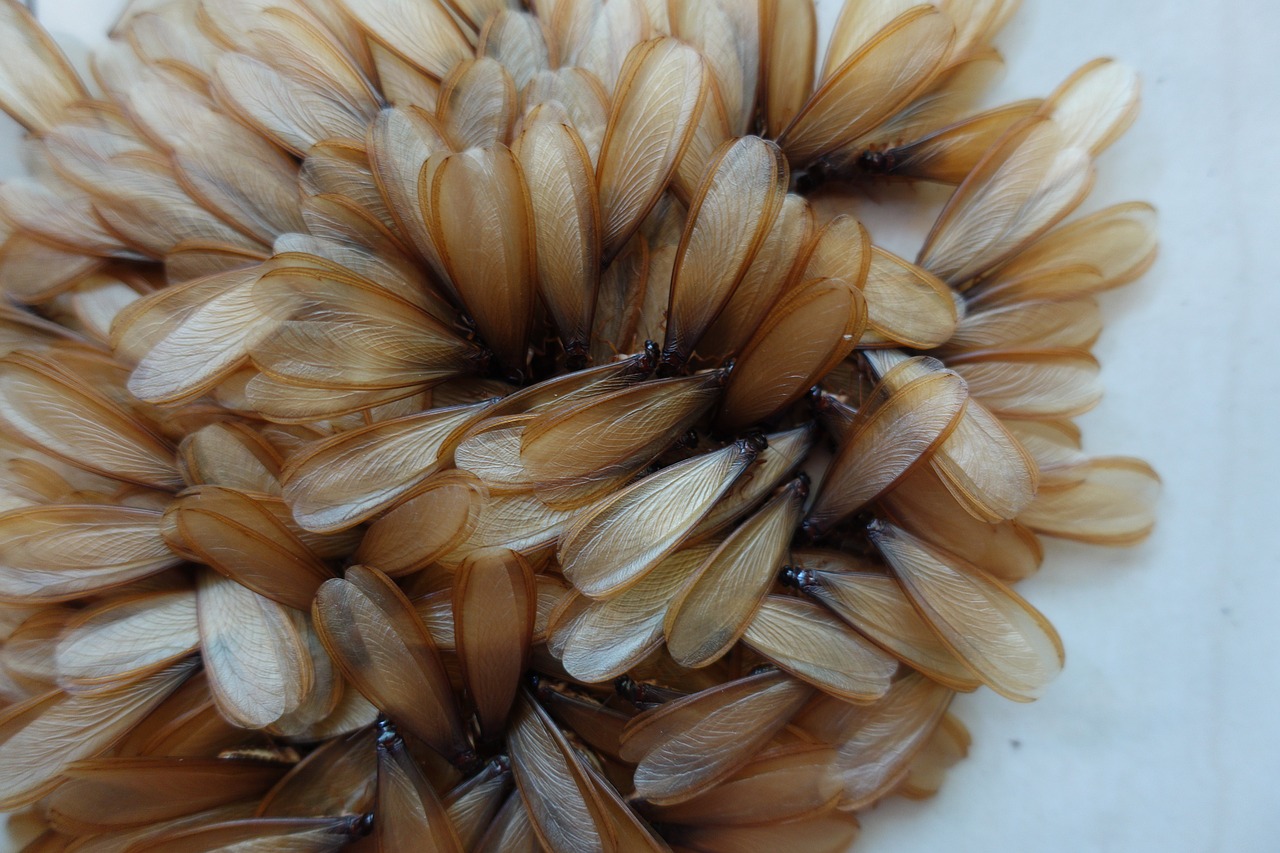
Chiswa chisiisi, a Luhya delicacy, is the termite of ‘termite season’. I recall the joys of my childhood trapping, harvesting and storing chiswa chisiisi.
One time I was watching news and heard a senior politician calling my people, the people of Mulembe, a people who are known as honest and sincere communicators; people who love engoko and obusuma; people of a spirit that is gentle and warm hearts as: “watu ya kumbekumbe”. Translated, it means: people of termites.
We fondly refer to termites as chiswa in Bukusu. Now if the politician thought calling us people of termites was an insult, then he was mistaken. The joke was actually on him. My people love termites. We eat termites in all forms. We even go out of our way to look for termites the way people look for beer.
If the termites don’t come out of their homes on their own, we know how to entice them to come out. We know how to trap them. We know how to cook, salt and how best to feat on them. When we go termite harvesting and the harvest is good enough, we know how to store some for our relatives living in the city.
The joys of chiswa chisiisi season
We eat termites raw, or cooked. Salted or without salt. The same way white people prefer their meat some rare, others want it medium rare while still some others want it well done; that’s how we do our termites. I love my termites raw with a pinch of salt. I love the crunch of them bursting in my mouth producing the earthy, nutty sweet milky goodness which then finds its way down my throat. Oh, sweetness galore!
When I was still a young lass, around September and October after harvesting maize from the farms, my village would receive intermittent rains on alternate or on daily basis. This rain, good enough for planting beans but not maize, helped tease out a special type of termite known as chiswa chisiisi.
What is chiswa chisiisi?
Chisiisi is the type of chiswa with the darkest bodies, small heads with translucent feathers. They are small in size and only come out from August to November. Now, unlike the politician’s failed attempt, if one told you that you are as dark as chiswa chisiisi, consider yourself very dark skinned indeed! And not in the way meant as a celebration of black pride, but in the derogatory fashion as is more common the case.
After the rains, the following subuyi we started our days by looking for termite hills (siswa, Lubukusu) for signs of chisiisi coming out. As you most likely know, that which lives in siswa, chiswa are colonal insects. What some of you might not know is that termite hills may host chiswa for eons. Thus, we automatically would know where anthills were. More importantly, we knew which ones belonged to us, as kids were bequeathed an termite hill as they grew up.
Chiswa chaarisie
Once at the termite hill, the first task was confirming that chiswa chaarisie. Meaning, termites have broken. For one to know if chiswa had broken ground, you would see small holes on the ground with lots of activity by worker termites. These holes made by worker termites are referred to as kameso. We begun the harvest by identifying all possible holes and clearing bushes around the termite hill.
As we did that, the older kids took time to educate the younger ones on the biology of termites. The small worker termites I came to know are known as kamake. The big worker termites are referred to as namung’awe. Presence of both kamake and namung’awe was a positive sign of chiswa coming out. The more sighted the better.
[embedyt] https://www.youtube.com/watch?v=uPd3H1q-TYk[/embedyt]The trap
First, we would set out to collect sticks that were flexible branches that could allow themselves to bend and still be strong enough to hold the weight of blankets. I found the uluwovu/kumusola/olusiola tree particularly helpful in this task.
The positioning of the tent like structure that we would build to trap the termites depended on the location of the holes that termites were seen emerging from. We ensured the tent like structure covered as many holes as possible. But before setting up the tent made of flexible sticks and blankets, we would first identify the primary hole from where we would collect the termites as they came out.
The anatomy of the harvest: all about efubo and siswa
This primary hole is referred to as efubo. The opening of an optimal yielding efubo usually faces the direction of the sun. Once the efubo is identified, we would then bring freshly cut banana leaves, some water and a container. Unlike when harvesting chiswa chikhupaka where the water is used to wet clay to make tall tubular structures that resemble natural efubo, the water in this case is used to make another type of efubo: the storage.
First, we would pin the flexible sticks into the ground and tie a blanket onto them to form a structure that resembled a turned over basket. This basket like structure, alike the termite hill it is intended to simulate, is referred to as siswa. The process of making siswa is referred to as khubililka siswa.
As soon as the siswa is setup, the first termites begin coming out already. Birds would be flying over our heads seeking a bite of the pie. If there was sufficient sunshine, the better the yields.
The science of the termite traps
We would then cover our Siswa with blankets and heavy shawls. We left a small opening near efubo. The secret here is make sure the siswa is very dark underneath except for that one opening near the primary opening the efubo. Termites follow light in their journey from the bowels of the earth. We then placed dried grass from the small holes surrounding the termite hill (kameso) to lead chiswa emerging from these holes towards the efubo made for storage.
Storing chiswa chisiisi
The next step involves preparing storage for our yield. This is the technical step. This step was usually done by elder siblings or our mothers. They started by digging a shallow hole in the ground. The size of the hole dug depended on the historical output of each siswa.
These storage holes ranged from one that could fit a 1kg tin to larger ones that can swallow a gorogoro (2kg tin). These storage holes were lined with banana leaves and are also known as efubo. Nabilabi my paternal cousin had a hand for termites and took care of this bit for us. She learnt the art of making storage efubo such that she could make them way faster than myself despite being younger.
First, she would make some clay and smear it in the dug hole. Then she would line the hole with fresh banana leaves. Once chiswa got to the hole via dry grass lined on the ground to lead them, they would fall into the efubo and settle. Nabilabi would keep checking efubo to ensure our output was safe. If she felt there was sufficient amount of chiswa in there, she would transfer the harvested chiswa into a bucket covered it with a lid.
Protecting the harvest
Something interesting about chiswa Chisiisi is that they can keep climbing out of storage containers if left uncovered. My helpfulness would then be reduced to chasing chicken from making a meal of the chiswa escaping from our siswa. Moreover, we also tasked with taking care of the holes outside the covered area.
So we basically covered these holes using mud from the portion Nabilabi had used to make efubo. At sunset, we would take down our blankets and take home our days wage. Our families then would sit around the table and enjoy a good meal of chiswa chisiisi.