
When making traditional Luhya beer, one needs the best quality traditional yeast, known as limela (pl. kamamela) in Bukusu language, they can find. This traditional yeast can be made from either sorghum or millet depending on availability, preference and financial ability.
How to make the traditional Luhya yeast limela (pl. kamamela)
Time needed: 7 days
Aside from kamalwa khamakhalanje, water, patience and knowledge of the craft and art of traditional beer brewing that comes ones way only by way of musambwa, the other irreplaceable ingredient for the kamalwa (beer) that our forefathers enjoyed is limela. The quality of limela influences the character and flavor of the end product. This is how to make good limela for some bad ass beer.
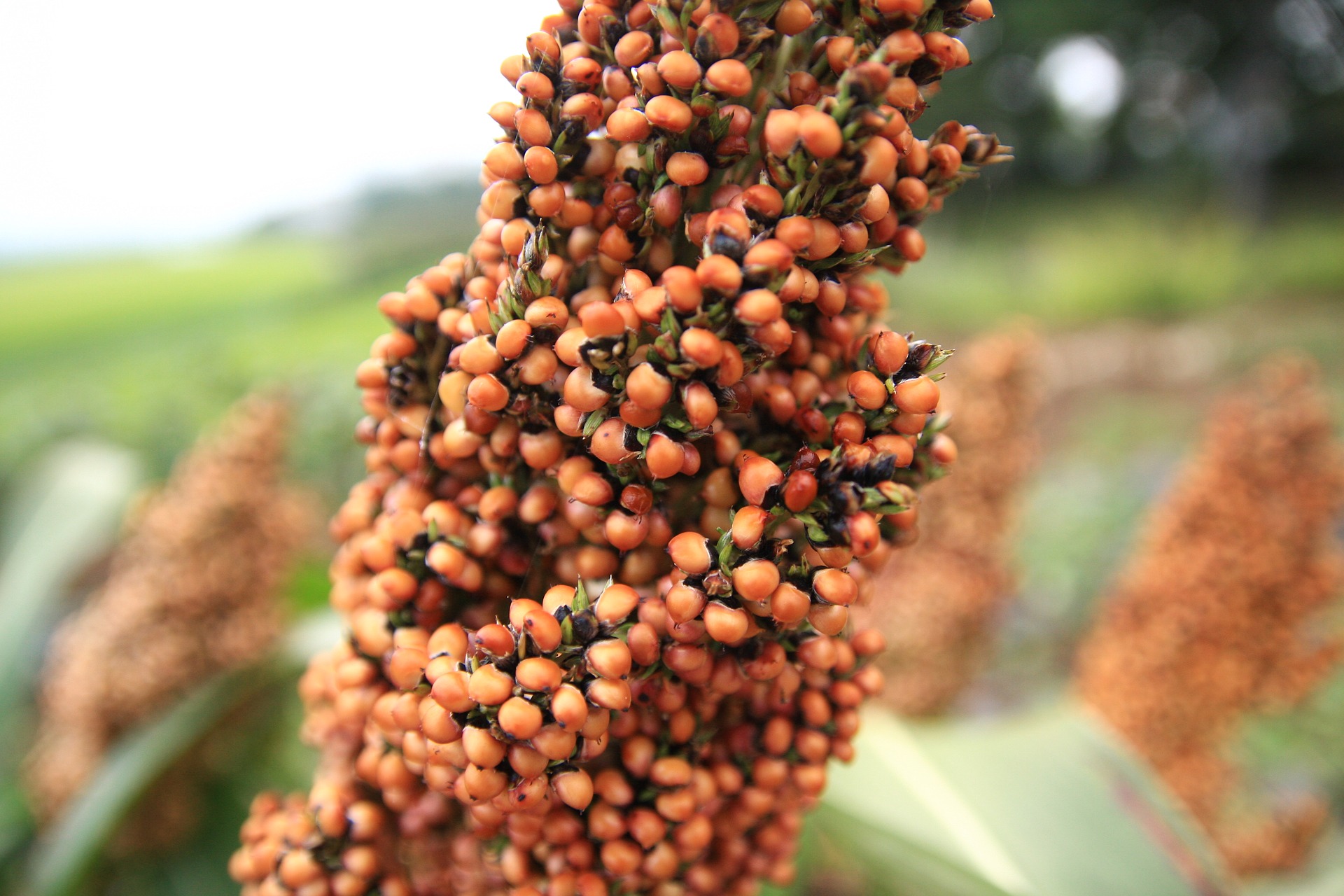
- Thoroughly cleaning grain.
Remove all foreign matter from the millet or sorghum. This may include other plant residues, soil and other grains. Basically rid your batch of anything else that’s not millet or sorghum.
- Drying
Sun dry the sorghum or millet just the same way one does when preparing seeds that are to be planted or cereal that’s to be milled.
- Soaking
Once well aired and dry, soak the sorghum or millet in water for approximately overnight.
- Preparation for growing the yeast.
Lay a polythene bag or any other non absorbent and leeching material on the floor of a room. Secure it and then pour and spread out the soaked grain onto the polythene bag.
- Growing the yeast.
Cover the soaked grain with dry banana leaves and leave it undisturbed for about 5 days.
- Maintaining growth of the yeast.
From the third day onward, sprinkle water on top of the banana leaves every morning and evening. More importantly, use your discretion when adding water. The point is to wet the banana leaves just enough for the ‘cooking’ limela below to suck on.
- Why you need to keep checking.
Keep checking the progress of your grain by removing banana leaves. What should you be checking for? You want to see the millet/sorghum grains have started germinating.
- Uncovering to unveil limela
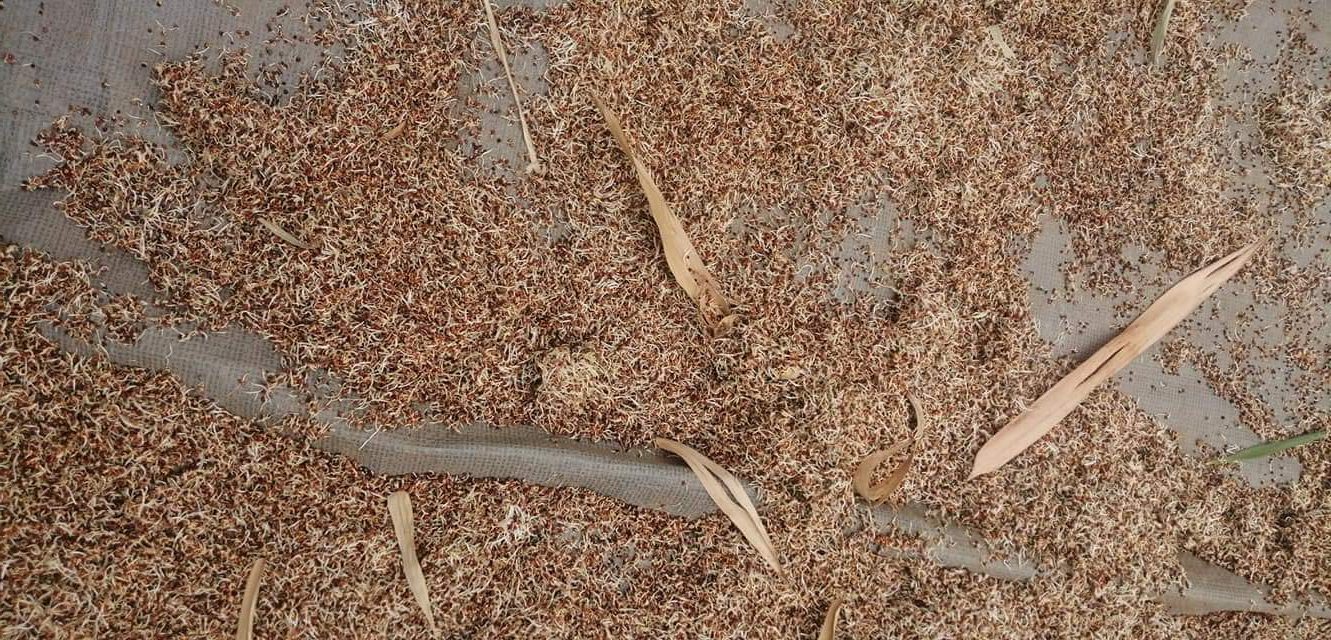
On day 5 or when you are able to see roots shooting out of the grain and some green leaves germinating, uncover the grain. What you have now is limela. In Lubukusu, limela means ‘that which has started to grow’.
- Sun drying limela.
Dry the limela outside in the same way one airs grain they intend to mill until fully dry. Since limela will have formed big lumps, keep separating them as you dry it to ensure it is completely dry.
- Milling limela.
When you are satisfied that limela is well dried, mill it to yield flour.
- Fermenting
Use the yeast flour to brew beer as per the specifications and instructions of your master brewer.

The business of kamamela
Making limela is a good business especially for womenfolk with limited start up capital. The profits come from the multiplier effects of growing the shoots and then some more from milling. I once spoke to an old lady in the village who offered that when one prepares 2kgs of millet or sorghum, they will reap at least four kilograms of the traditional yeast within 5 days.
Growing up, I remember village women empowering each other through the value chain of brewing traditional beer busaa. The brewers, who were almost always women, would subcontract other women to supply limela for beer brewing. Some other women would be contracted to do the cooking – fry pork over large fires in big pans. And then, the village would make merry.