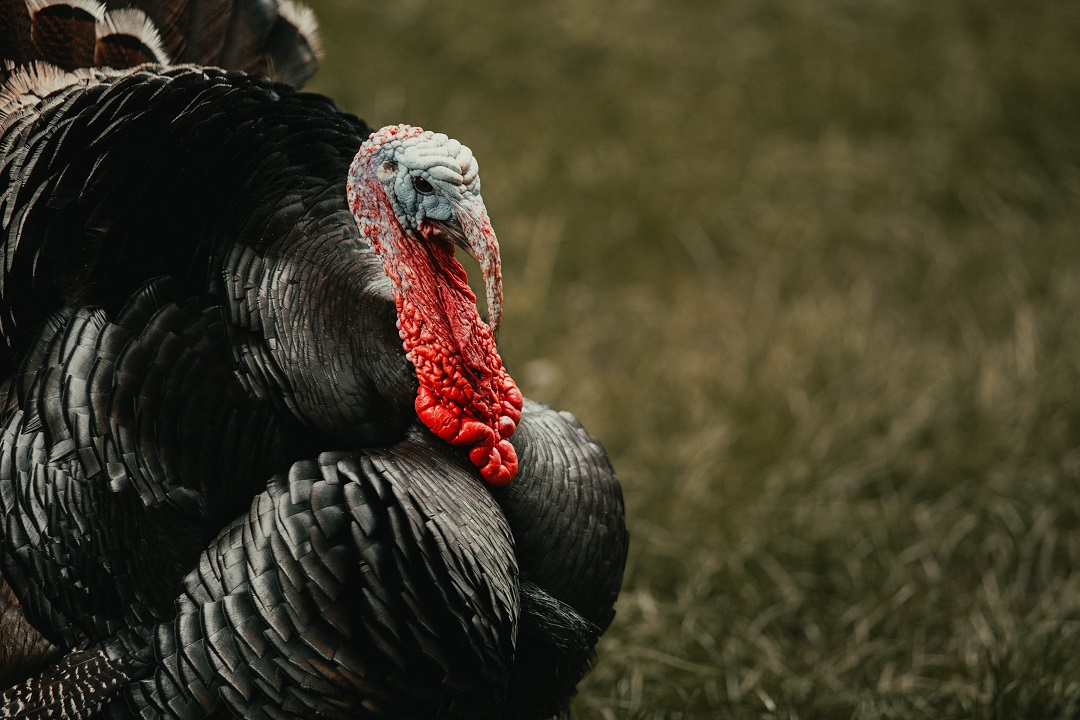
Myth, fact, fiction, hyperbole and everything in between in our interesting take on turkey in Luhya culture. Unlike the much beloved and venerated engokho (for those living under a rock, engokho in particular kienyeji chicken, on the table in any Luhya feast is taken with much ado as the turkey in western world cultures on such occasions such as thanksgiving dinner). However, among the Luhya of Western Kenya, the turkey, well, let’s say we don’t know – save for the following.
Subscribe to Mulembe Weekly
Get culture, language, stories and discussions in your inbox every Friday 5 PM East Africa Time
First, we couldn’t even name the damned bird, at least not properly
Kulukulu is basically it. It doesn’t take a genius to tell that kulukulu is the sound that a turkey makes. In Lubukusu, they call the bird likulukulu.
Its head is not to be eaten
That a turkey’s head is poisonous is a common myth well known across the world in lots of cultures. But for a people known not to leave out of the table any part of chicken, you’d think that if anyone was to go against this belief, then it would be a Luhya; but not this time.
You’d be known by it
Growing up Luhya, we’d know a home by its habits, their work or what they owned. For example, a farmer with an bull used to sire heifers in the village would be known as Wanyonyi or Peter of the bull. It was no different with someone rearing turkey. They would be known as Wanyonyi we likulukulu, Peter we likulukulu and so on and forth. And it didn’t stop there, when giving directions to a stranger we’d use the home with turkeys as a point of interest: “Head north. A hundred steps on, you will see a homestead with likukulu to your left; it’s not that one. Now count four roofs from that house along the path that passes through this house and you will have arrived.”
Rearing turkey was not for the poor
In my village, those who kept turkey were the well to do. First, their dabbling with turkey was a sign that they had mastered the chicken game to the extent that they now felt comfortable to rear ‘exotic’ bird like turkey. Further, keeping turkey said a lot about the size of one’s land as turkeys require a lot of space to roam and forage on grass.
Therefore, if you had a tiny parcel, your luuya would be reduced to an unsightly dusty field. Worse, you would be in constant distress with your neighbors as your turkey flock wandered off to feed on their vegetables and lawn grass.
All these: need for space, damage to one’s crops and neighbor troubles was considered too much of an ask for a bird which my people didn’t have much cultural attachment to, except in a few instances like the next one.
Among the Luhya, the turkey is a valued gift much like a goat or a cow among the Kalenjin
The first turkey I ever met was a clutch of chicks gifted to my omufulu brother. They were a valued gift from my paternal grandmother congratulating him for making his people proud, by facing the knife with dignity and courage.
In our culture children are usually given by their relations young chicken as gifts. These chicks, often about 4-8 weeks old serve to cement relations as they act as a sign of mutual filial respect. On their part, the children who receive the gifts are expected to rear these chicken to productivity. In the process of rearing the chicken, they get to learn how to be responsible and how to grow and nurture wealth. In an ideal situation the children should return the favor back when their parents gift another of their relations chicks to rear, or by slaughtering their biggest cock or hen whenever an important visitor, male and female respectively, come visiting.
All considered, some statement it was that my grandmother chose to gift my brother, her eldest male grandchild, a turkey.
Support Mulembe Nation ↗
mulembenation.co.ke is an open, independent media organization that focuses on culture to cultivate peace in the hearts and minds of men and women. As passionate and determined as we are to share the #SpiritOfMulembe, we need your help to continue with this important work. As we are reader supported, we rely on the generosity of readers like yourself to take care of hosting bills, sugar the office tea and keep the lights on in our homes. By reading, sharing and gifting us, you help lay the foundation for what we hope to be a great ongoing project.